
 admin
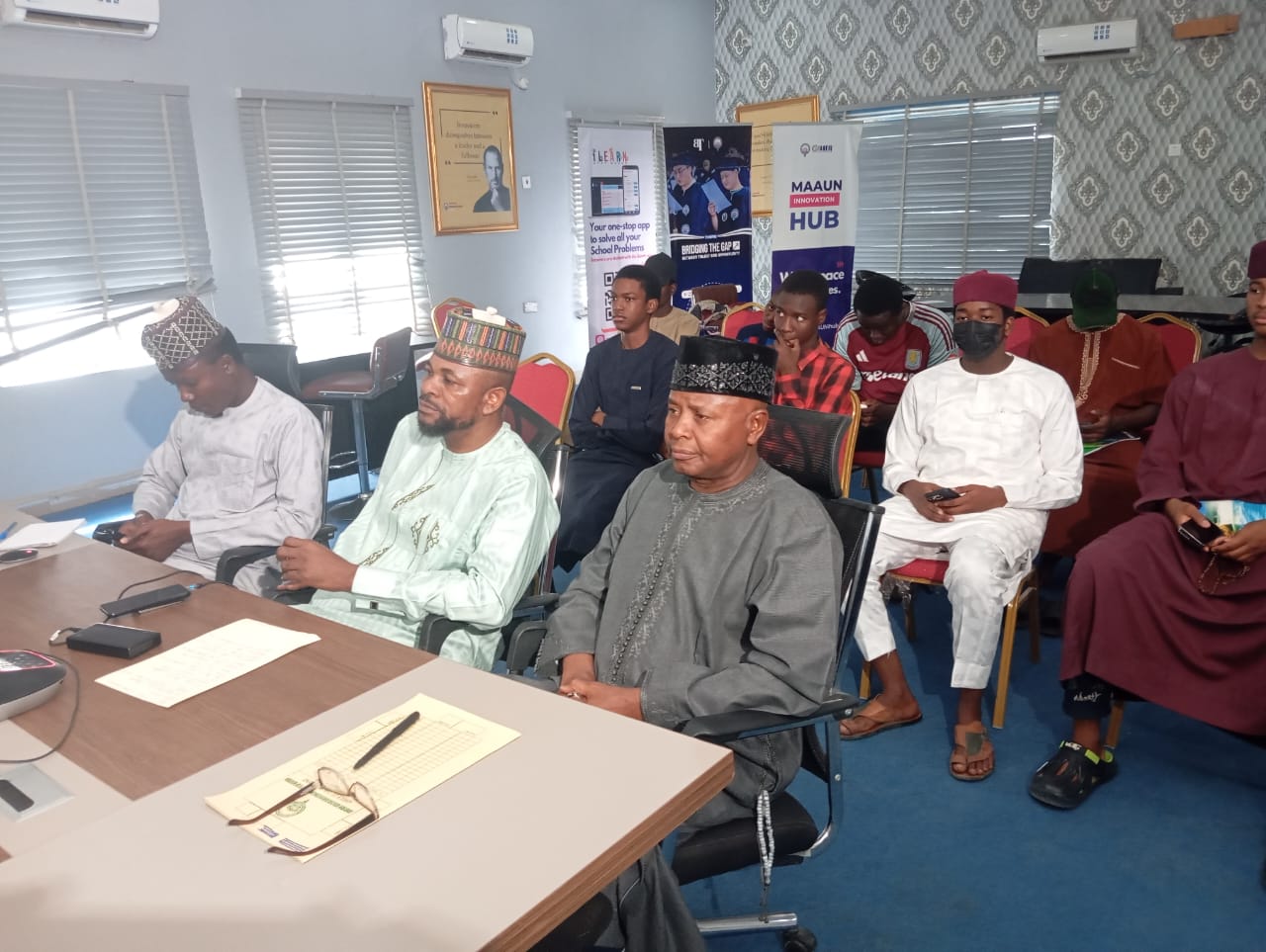
adminThe Association of African Private Universities, AAPU, has hosted a webinar to mark the 2026 World Day of Social Justice.
The event, titled “Breaking Barriers, Building Futures: A Social Justice Blueprint for Equitable Higher Education,” was held on Saturday, and streamed live on YouTube.
The webinar attracted academics, policymakers, and stakeholders from across Africa, reinforcing calls for sustained collaboration toward building fairer and more inclusive universities.
In his opening remarks, the Secretary-General of AAPU, Prof. Sadiq Haruna, reaffirmed the association’s commitment to advancing inclusive policies within private universities across the continent.
He stressed the need for fairness, equal access, and institutional reforms.
The lead speaker, Dr. Abdullateef Wale Adeyemo, Dean of the Faculty of Law at the Islamic University in Uganda, examined the legal and policy frameworks required to entrench social justice in African universities.
He emphasized the protection of vulnerable groups and the removal of structural barriers to access.
Among the discussants was Dr. Murtala Adogi Mohammad, Founder and Executive Director of the System Strategy and Policy Lab, who highlighted the importance of governance reforms and data-driven strategies in achieving equitable higher education.
Farhiya Mohamed, Director of Women and Social Affairs at the University of Kabridahar, spoke on gender inclusion and the need for stronger institutional support for female students and staff.
Also speaking was Auwal Ibrahim Musa (Rafsanjani), Executive Director of the Civil Society Legislative Advocacy Centre (CISLAC), who called for enhanced accountability and stronger collaboration between universities and civil society groups.
Prof. Muktar Imam, Directing Staff at the National Institute for Security Studies (NISS), linked inclusive education to national stability, noting that equitable institutions are critical to long-term development.
Speaking, the VP Admin of MAAUN, Dr. Habib Awais Abubakar, discussed the critical role of university leadership in driving policies that foster fairness, strengthen diversity, and ensure equal opportunities for all members of the academic community.
In his remarks, Engr. Bashir Garba, commended the speakers and participants for their contributions to the discussion.


